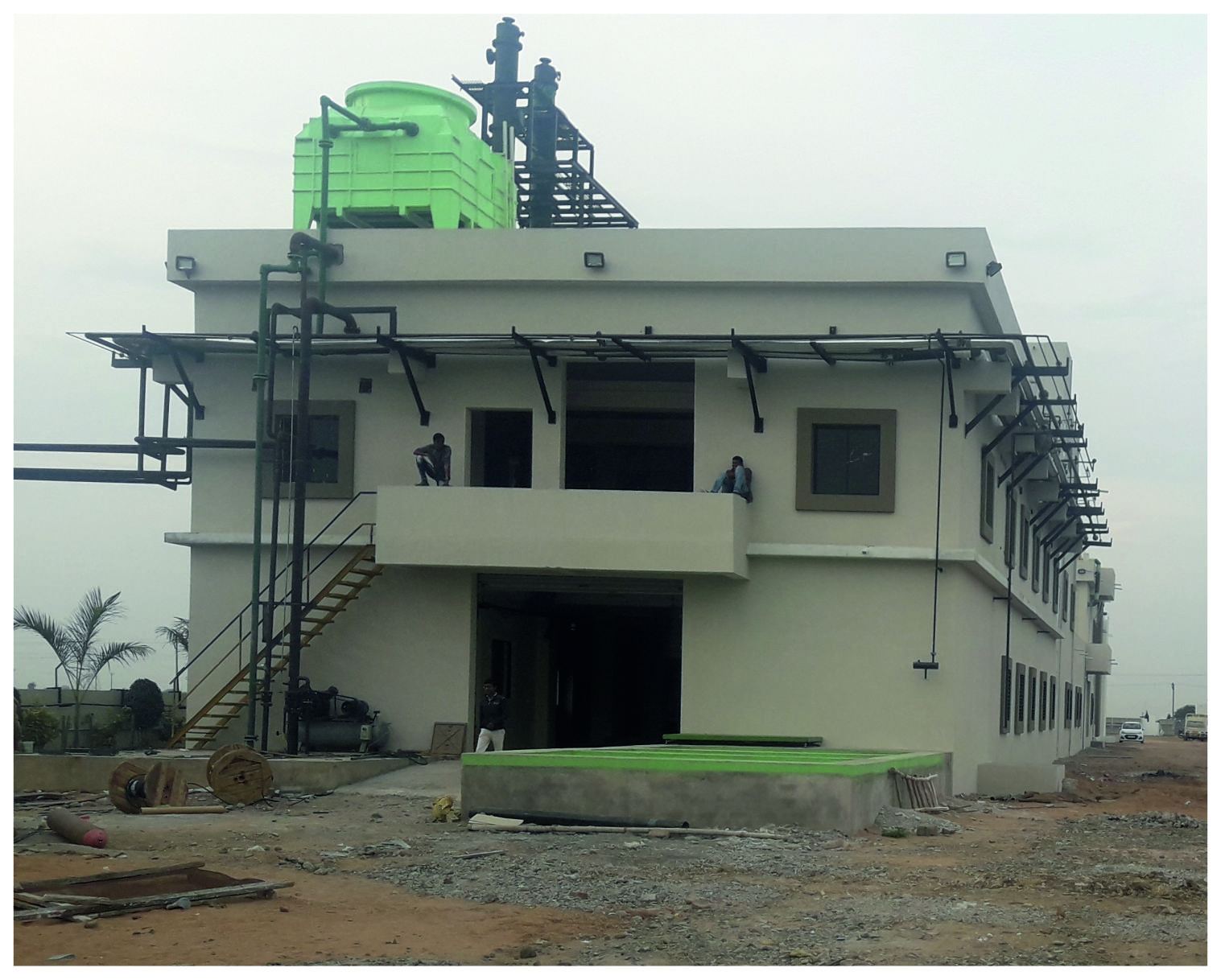
We provide a comprehensive spectrum of engineering services designed to meet your project requirements. Our range of offerings includes:
Four questions decide whether an engineering consultancy is right for a regulated manufacturing project: what standard can you design to, what codes do you apply, which disciplines do you cover in-house, and what do you actually receive. Here are the answers.
Facilities designed to cGMP, including plants subsequently cleared through USFDA inspection, plus EU-GMP, WHO-GMP and Indian Schedule M.
Engineering to ASME, API, IEC, ISA, ANSI, TEMA and NFPA, applied by discipline and stated on every drawing.
Process, mechanical, piping, electrical, instrumentation and civil & structural engineering, all in-house — see Design & Engineering below.
PFDs, P&IDs, equipment layouts, 3D models, isometrics, datasheets and MTOs — the document set issued at every project stage.
We produce the complete engineering package for a process plant, across all six disciplines, from process concept through to construction-issue drawings.
Work begins with the product and the market. A facility supplying the United States is documented differently from one supplying the domestic market — the process may be identical, but the room classification, material traceability, segregation and documentation burden are not. We establish the applicable regime first, then design to it, rather than designing a plant and reconciling it with the regulation afterwards.
Enquire Now
Deliverables, by discipline:
Process flow diagrams (PFDs), mass and energy balance, equipment sizing, line list, P&IDs, process datasheets, utility summary, operating philosophy, HAZOP support and close-out.
Equipment specifications and datasheets, GA drawings, pressure vessel and reactor design to ASME VIII Div 1, heat exchanger design to TEMA, agitator and drive sizing, materials of construction selection.
Piping layout and 3D model, material specification, isometric drawings, MTO, pipe support design, stress analysis to ASME B31.3, valve and speciality item schedules, drainability review for hygienic lines.
Single line diagrams, load list and load balance, cable sizing and routing, hazardous area classification to IEC 60079, earthing and lightning protection, MCC and panel specifications.
Instrument index and datasheets, control philosophy and narrative, loop diagrams, cause and effect matrix, tagging to ISA-5.1, control system I/O list.
Plot plan and GA, equipment foundation design, technological structure and pipe rack design, building layout with room classification and pressure cascade, drainage routing.
Design codes applied: ASME B31.3 · ASME VIII Div 1 · ASME IX · API 610 · API 650 · TEMA · IEC 60079 · IEC 60364 · ISA-5.1 · NFPA 30 · NFPA 70 · IS 456 · IS 800 · IS 875. GMP frameworks: cGMP · EU-GMP Annex 1 · WHO-GMP · Schedule M.
See this applied in a case studyNot a coordinator relaying messages between contractors — an engineer who understands the process, can challenge a contractor's method statement, and knows which slipped activity actually threatens the commissioning date.
The control documents are yours to audit at any point: a live risk register, a resource-loaded schedule, and a monthly report that states what slipped and why, rather than reporting percentage-complete against a plan nobody has revised.
Enquire Now
How we run a project:
Scope, schedule and budget fixed and signed. No work proceeds against a moving baseline. Deliverable: project execution plan, work breakdown structure, Level 1–3 schedules with critical path.
Weekly site and progress meeting; monthly client report, both to a fixed agenda — resource histogram, cash flow forecast, progress report with S-curve.
Anything threatening the critical path is raised within 48 hours with options and cost, not reported after the fact — tracked in a live risk register with named mitigation owners.
Every variation priced and approved before execution, logged against an interface and responsibility matrix (RACI) and a document control register.
Punch list to zero, documentation dossier complete, as-builts issued — with a contractor performance review and lessons learned.
Procurement decisions made without engineering input are the most expensive mistakes on a project. An agitator selected on price against an incomplete specification is not a saving — it is a rework package, a schedule slip, and sometimes a qualification failure.
We write the purchase specification, evaluate bids on technical merit first, and stay with the order through vendor document review, inspection and delivery. Where one vendor has excluded something another included, that is stated, not buried.
Enquire NowDeliverables:
Procurement plan aligned to the project schedule; vendor prequalification and approved vendor list.
RFQ packages with technical specifications; technical bid analysis and normalised, apples-to-apples comparison; evaluation report with recommendation.
Purchase specifications and datasheets; vendor document review and approval log.
Inspection and expediting reports; FAT witnessing; material traceability and test certificate review.
Logistics and site receipt coordination for long-lead and critical equipment.
On a multipurpose plant the schedule is usually set by three or four items — reactors, the dryer, the HVAC package, sometimes a centrifuge. These are identified and ordered first, against a specification frozen early, because everything else can absorb a delay and these cannot.
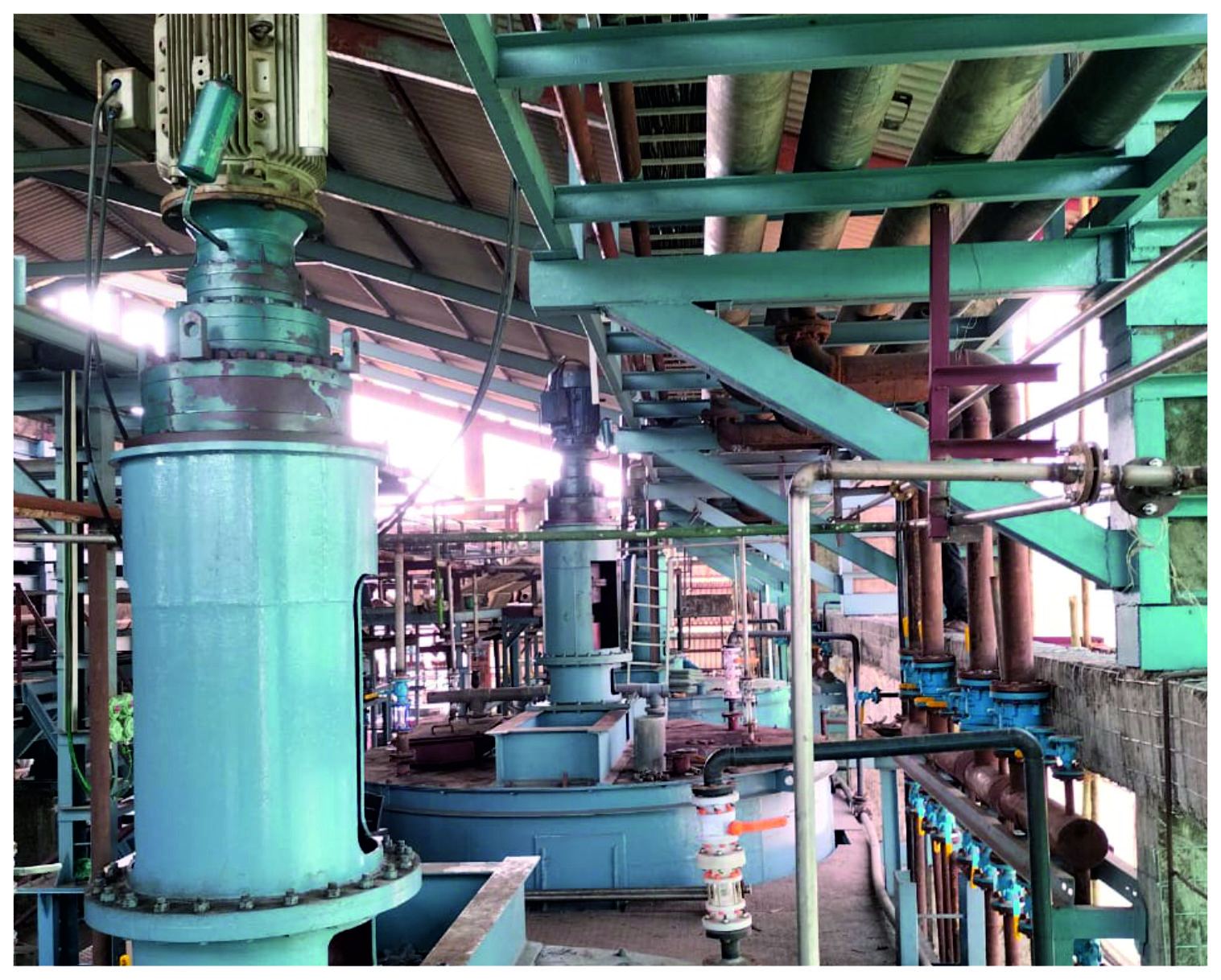
The two have to be planned together, because the evidence a qualification protocol needs has to be captured while the system is being commissioned, not reconstructed afterwards.
We plan the commissioning sequence by system rather than by area, so each system can be turned over, documented and qualified as a complete unit — which is what keeps a qualification programme from becoming a document-recovery exercise.
Enquire NowDeliverables:
Commissioning plan and system boundary definition; system turnover packages.
Checklists and punch clearance; FAT/SAT protocols; loop checking and functional testing records.
Purified water, clean steam, compressed air and HVAC — including air changes, pressure cascade, recovery and filter integrity.
IQ/OQ/PQ protocol support and execution records; calibration certificates and instrument register.
SOP input, training records, as-built drawing issue, and the qualification dossier.
A facility is inspection-ready when a regulator can trace any critical parameter from the design specification, through the installation record, through the test result, to the operating procedure — without a gap.
We supervise construction against the issued drawings, catch deviations while they are still cheap to correct, and keep the documentation trail an auditor will later ask for.
On a GMP facility the finish detail matters as much as the structure. Coving radii, penetration sealing, weld finish on product-contact lines, slope on drains, pressure cascade between classified rooms — none of it can be corrected after commissioning without breaking into a qualified space.
Enquire NowDeliverables:
Site organisation chart and mobilisation plan; contractor prequalification and evaluation.
Method statement review; inspection and test plans (ITPs) defining hold points before work starts.
Hold-point inspection; weld traceability and NDT review; non-conformance reports and close-out.
Daily and weekly progress records; material receipt and inspection records.
Written safety plan with named responsibility, toolbox talks and recorded incident reporting.
Punch list generation and clearance; mechanical completion dossier; as-built markup capture for drawing update.
Nothing is closed out on assurance — it is closed out on a signed inspection record. Where a hold point is missed, the work is opened up or it is not accepted.
These engagements are usually short, well-defined, and start from a specific problem rather than a blank site — the constraint is what is already built.
Enquire NowWhat we're asked for:
Independent chairing and scribing of HAZOP studies, with recommendation tracking through to close-out.
A facility built to one standard, assessed against another. Deliverable is a prioritised gap register with engineering cost against each item.
The engineering response to an audit observation or warning letter — design, documentation and execution support for the corrective action.
Where capacity is limited by one unit operation, one utility or one transfer step. We find the actual constraint before anyone specifies new equipment.
Steam, chilled water, compressed air and HVAC load review — usually the fastest payback available on an operating plant.
Connecting new plant to live plant — sequencing, isolation and shutdown-window planning.
Where drawings no longer match the plant: survey, model and reissue — often a prerequisite for any other work, and for passing an audit.
Regulatory pressure on pharmaceutical manufacturing has risen sharply — in the second half of 2025 the USFDA issued 73% more warning letters to pharmaceutical manufacturers than in 2024, alongside more than 400 enforcement actions involving Indian manufacturing sites. An observation about facility design, segregation, air handling or material flow is an engineering problem with a deadline attached. We scope the corrective action, design it, document it against the observation, and support execution while the plant keeps running.